
Dogs · Puppies
Your Puppy's First Week: A Checklist for New Owners
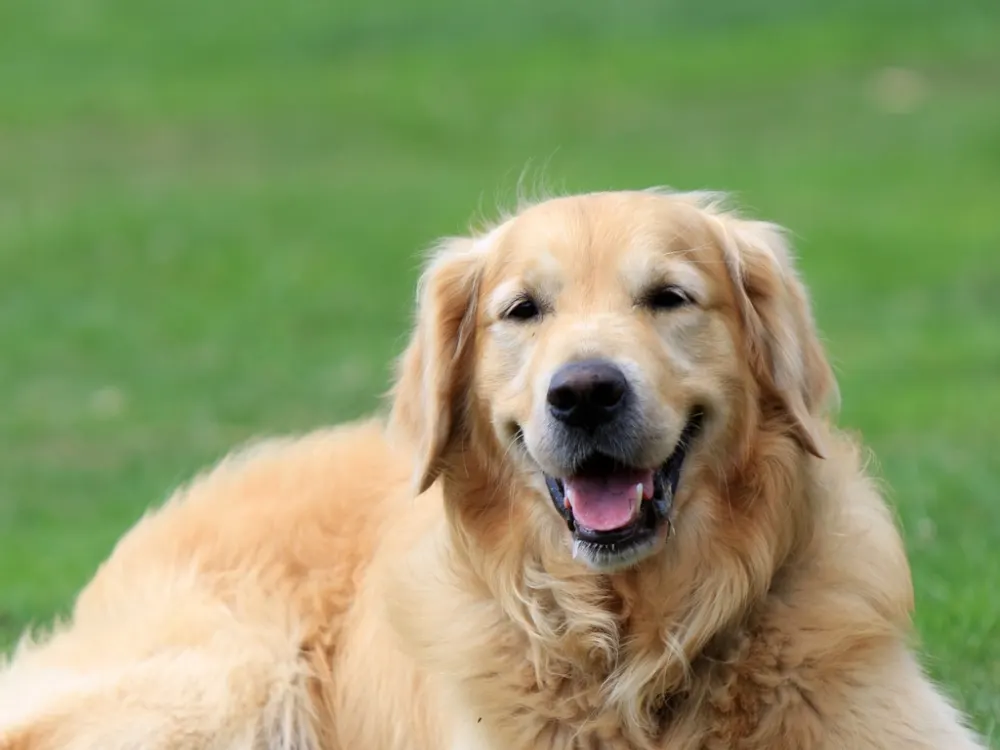
In your puppy's first week, focus on four things: a safe, puppy-proofed space, a potty routine, a calm crate introduction and a vet check. Start potty training the day your puppy comes home, taking them out first thing, last thing, after naps, meals and play, and every 1–2 hours while awake. Keep them away from unknown dogs until your vet says vaccinations are complete, and keep treats under 10% of daily calories. Want the full plan? Download our free New Puppy Handbook.
| Before day one | Crate, bed, harness and leash, bowls, puppy food, chew toys, treats, poop bags, enzymatic cleaner |
|---|---|
| Potty breaks | After waking, meals, drinking, naps, crate time and play, and every 1–2 hours |
| Crate size | Just big enough to stand, turn around and lie down |
| Vet | Book a check-up in the first few days |
| Other dogs | Avoid unknown dogs until vaccinations are complete |
What to buy before your puppy comes home
The AKC's essentials are simple:
- A crate sized for their adult size, with a divider
- A bed, plus food and water bowls
- The puppy food your breeder or shelter has been feeding
- A harness and leash, which help while your puppy learns to walk on a leash
- Chew and teething toys, small training treats and poop bags
- An enzymatic cleaner for accidents
- A puppy toothbrush and dog toothpaste
Puppy-proof your home
- Move or cover electrical cords
- Lock away cleaning products and medicines
- Pick up small things they could swallow: coins, hair ties, jewellery
- Secure bins and keep toilet lids closed
- Keep human food off low surfaces, especially sugar-free gum (xylitol), chocolate and raisins
- Check fences and keep your puppy off freshly treated lawns
Day one: keep it calm
Take your puppy straight to their potty spot when you get home. Start with one or two rooms and widen their world gradually. Stick with their current food to avoid an upset stomach, and book a vet check for the first few days.
Start potty training straight away
The AKC says young puppies can generally hold their bladder for about as many hours as their age in months. Take your puppy out:
- First thing in the morning and last thing at night
- After naps, crate time, meals and drinking
- After chewing and play
- Every 1–2 hours while awake
Use the same spot, say a cue like "Go potty", and reward with praise and a tiny treat the moment they finish. If there's an accident, don't make a fuss: clean it with an enzymatic cleaner. Rewarding the right behaviour works better than punishing mistakes.
Introduce the crate kindly
Leave the door open and toss treats inside whenever your puppy goes near it. Reward them while they're inside, give a stuffed chew toy, and close the door only for short spells once they're relaxed. Never crate a puppy longer than they can hold their bladder, never force them in, and take their collar off in the crate.
Feeding and the first vet visit
Feed a complete, balanced puppy food. The AKC suggests about four meals a day at 6–12 weeks, three at 3–6 months and two from 6 months. Your vet will plan core vaccines (distemper, adenovirus, parvovirus, parainfluenza and rabies), which usually start at 6–8 weeks and continue every few weeks until about 16 weeks.
Socialise safely
The AKC describes roughly 5 to 16 weeks as the most important socialisation period. Invite calm visitors, let your puppy meet vaccinated dogs you know, and introduce new sounds and surfaces gently, but avoid unknown dogs and busy dog areas until your vet says vaccinations are complete.
Frequently asked questions
How often should I take my puppy out to potty?
After waking, eating, drinking, naps, crate time and play, and every 1–2 hours while awake, which can mean a dozen or more trips a day at first.
Where should my puppy sleep the first night?
In a comfortable crate with a stuffed chew toy. Take them out last thing at night and first thing in the morning; young puppies may need a trip during the night too.
When should my puppy see the vet?
The AKC recommends a check-up within the first few days. Bring any health records from the breeder or shelter.
When can my puppy meet other dogs?
Avoid unknown dogs and places where many dogs go until your vet says vaccinations are complete. Calm, vaccinated dogs you know are fine sooner.
How many meals does a puppy need?
About four a day at 6–12 weeks, three at 3–6 months and two from 6 months, according to the AKC.
Sources
- AKC: New Puppy Checklist
- AKC: How to Potty Train a Puppy
- AKC: Everything You Need to Know About Crate Training Your Dog
- AKC: Your First Day at Home With a New Puppy
- AKC: Puppy Feeding Fundamentals
- AKC: Your Complete Guide to First-Year Puppy Vaccinations
- AKC: Creativity & Critical Timing Are Key to Puppy Socialization
This guide is general information, not veterinary advice. Every pet is different; ask your vet before changing your pet's diet or care, especially if they have a health condition, are overweight, or have a sensitive stomach.