
Birds · Budgies
Budgie Care for Beginners: Cage, Diet, Company and Toys
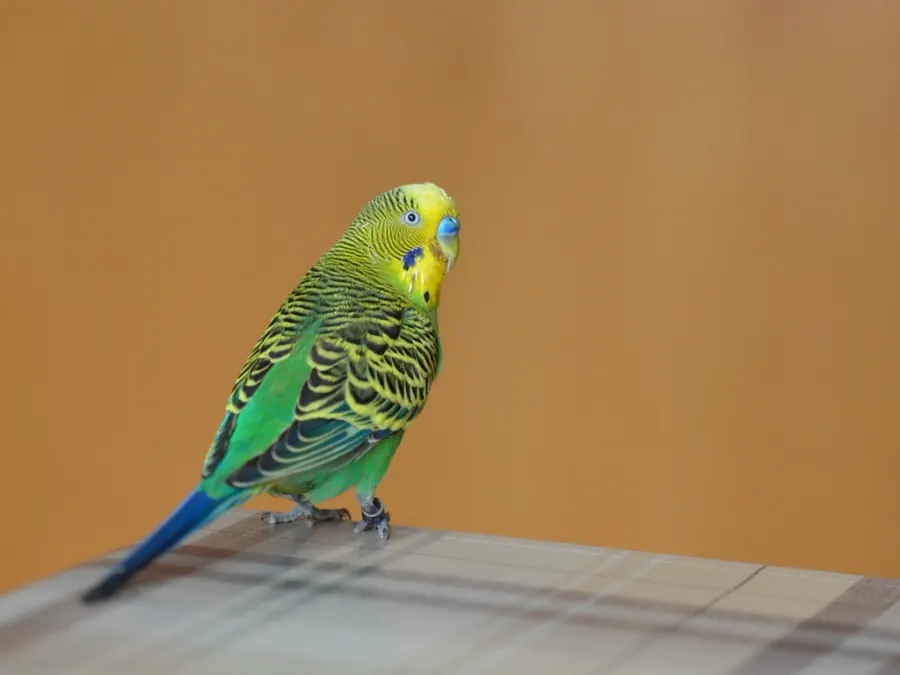
Budgies are flock birds, so they're happiest with other budgies. Give them a cage at least twice their wingspan in height, width and depth, natural wooden perches of different thicknesses, and toys you rotate. The RSPCA recommends a diet of mostly pellets plus washed fresh vegetables and fruit, with seeds no more than a tenth of the diet; never feed avocado. Budgies also need at least six hours out of the cage every day in a safe room, and UV lighting if they live indoors.
| Company | Social flock birds; keep with other budgies |
|---|---|
| Cage | At least twice their wingspan in height, width and depth |
| Diet | Mostly pellets, plus fresh veg and fruit; seeds no more than 1/10 |
| Never feed | Avocado (highly poisonous to parrots) |
| Daily | 6+ hours of safe flying time out of the cage |
Budgies need company
The RSPCA notes most birds are social and do better with other birds, and budgies, which live in large flocks in the wild, can be kept together in social groups. Introduce new birds gradually: cages half a metre apart at first, then closer, then short supervised meetings. Hand-reared birds may prefer people and not get on with other birds.
Setting up the cage
- Size: if your budgie spends most of the day in the cage, the height, width and depth should each be at least twice their wingspan, and bigger for more birds
- Placement: away from radiators, fires, stoves and draughts
- Perches: plenty of smooth natural wooden perches of different sizes, fixed at different angles, which helps prevent a foot infection called bumblefoot
- Toys: foraging toys with food inside, rotated regularly to keep things interesting
- Lighting: the RSPCA advises that indoor birds need artificial UVA/UVB lighting from flicker-free lamps
What to feed a budgie
Seed-only diets can lead to obesity, fatty liver disease and vitamin A and calcium deficiency. The RSPCA recommends that small parrots like budgies have free access to pellets, fresh vegetables and fruit, with seeds making up no more than a tenth of the diet. As a rough guide for parrots, about three-quarters pellets and a quarter washed fruit and vegetables.
Avocado is highly poisonous to parrots, so never offer it.
Flying time and safety
Budgies need at least six hours outside the cage every day, with space to fly freely and safely indoors. Before letting them out:
- Close all windows and doors
- Switch off ceiling fans
- Be careful with mirrors
- Keep other pets out of the room
Bathing
VCA suggests encouraging pet birds to bathe at least 3–4 times a week, using bottled water if your tap water is chlorinated, and never using commercial bathing solutions. Let them dry and preen in a warm, draught-free room.
Frequently asked questions
Should budgies be kept in pairs?
Yes. Budgies are social flock birds and usually do best with other budgies.
How big should a budgie cage be?
If they spend most of their time in it, at least twice their wingspan in height, width and depth, and larger for more birds.
Can budgies eat only seeds?
No. Seed-only diets cause health problems. Feed mostly pellets with fresh vegetables and fruit, and keep seeds to no more than a tenth.
How long should budgies be out of the cage?
The RSPCA recommends at least six hours a day of safe flying time indoors.
What foods are poisonous to budgies?
Avocado is highly poisonous to parrots, including budgies.
Sources
This guide is general information, not veterinary advice. Every pet is different; ask your vet before changing your pet's diet or care, especially if they have a health condition, are overweight, or have a sensitive stomach.