
Cats · Kittens
Bringing Home a New Kitten: Setup, Feeding and First Days
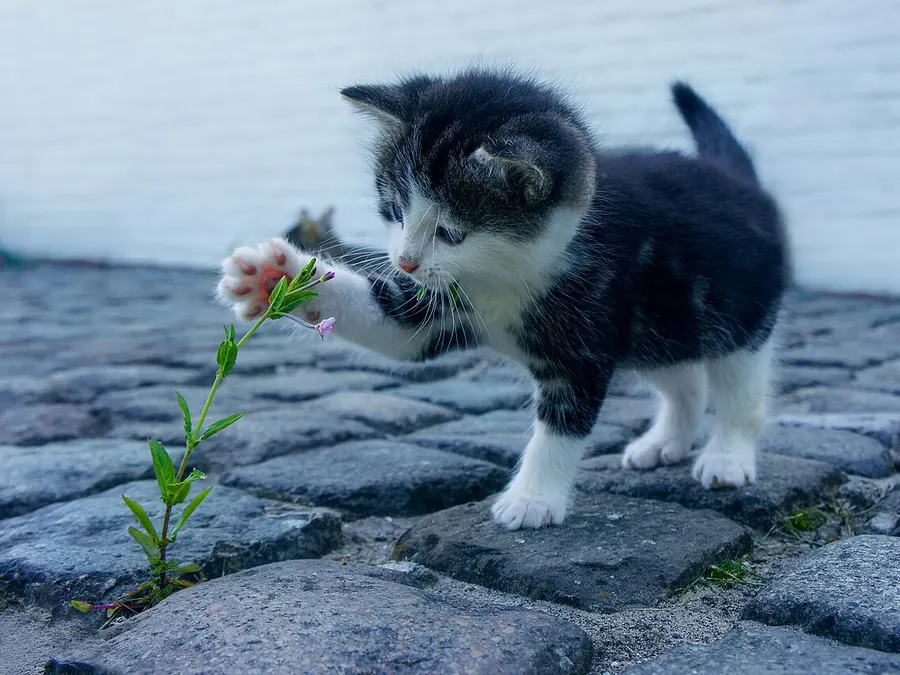
Start your kitten in one quiet room with food, water, a bed, a litter tray, toys and a scratching post, and let them come out of the carrier in their own time. Feed a complete kitten food (look for an AAFCO statement), offer fresh water at all times and skip cow's milk. Provide one litter tray per cat plus one, play with wand toys (never hands), and book a vet check soon. Never keep lilies in a home with a cat: every part is toxic. Get the full plan in our free Kitten Care 101 ebook.
| First room | One quiet room with food, water, bed, litter tray, toys and scratching post |
|---|---|
| Food | Complete kitten food with an AAFCO statement; fresh water always; no cow's milk |
| Litter trays | One per cat, plus one; low sides for kittens; unscented litter |
| Play | Wand toys; never use hands or feet as toys |
| Big danger | Lilies: every part, even pollen or vase water, can be fatal |
What to buy
- Kitten food, a food dish and a water bowl
- A litter tray with low sides, and unscented litter
- A sturdy scratching post, at least three feet tall
- A cat carrier and a bed with a soft blanket
- Interactive toys such as a wand toy
- A brush, comb and safety collar with ID tag
Set up a safe first room
International Cat Care advises keeping kittens in one quiet room for the first few weeks. Close windows, remove breakables, check for exposed cables and poisonous plants, and lock away medicines and cleaning products. Avoid toys with string, ribbon or wool left out: if swallowed they can seriously damage a kitten's intestines.
The first days
Put the carrier in the room, open the door and let your kitten come out when ready. Once they've found their food, water and litter tray, give them some space. Don't coax a hiding kitten out, keep the first day quiet, and let them sleep as much as they need. If you change their food, do it gradually over 7–14 days.
Feeding your kitten
Kittens need about two to three times the energy of an adult cat, so feed a food made for kittens until about one year old. Cornell suggests three meals a day until six months, then two; International Cat Care suggests more, smaller meals for a newly home kitten. Fresh water should always be available. Don't give cow's milk, which can cause diarrhoea.
Litter trays
Cornell's rule is one tray per cat, plus one. Most cats prefer simple, unhooded trays and unscented, fine litter, kept away from food and water. Scoop at least once a day and wash the tray weekly with mild detergent.
Play, scratching and handling
Use wand toys and keep sessions short; never use your hands or feet as toys. Give a tall, stable scratching post covered in sisal. To lift a kitten, support them behind the front legs and under the hindquarters; never by the scruff.
Vaccines and neutering
Kitten vaccines usually start at 6–9 weeks with boosters every 3–4 weeks. Core vaccines cover panleukopenia, feline herpesvirus, calicivirus and, where required, rabies; Cornell now considers feline leukaemia (FeLV) core for kittens. International Cat Care recommends neutering at around four months; the ASPCA says by five months.
Frequently asked questions
Should a new kitten be kept in one room?
Yes. International Cat Care advises one quiet room for the first few weeks, with everything your kitten needs.
Can kittens drink cow's milk?
No. It can cause stomach upset and diarrhoea; give fresh water instead.
How many litter trays does a kitten need?
One per cat, plus one. For a single kitten, that's two trays.
Are lilies dangerous to cats?
Yes, extremely. All parts of the lily are toxic, and even pollen or vase water can be fatal.
When should a kitten be neutered?
Around four to five months of age, before sexual maturity. Ask your vet about timing for very large breeds.
Sources
- ASPCA: General Cat Care
- ASPCA: Cat Nutrition Tips
- Cornell Feline Health Center: Choosing and Caring for Your New Cat
- Cornell Feline Health Center: How often should you feed your cat?
- International Cat Care: Helping your new cat or kitten settle in
- International Cat Care: Playing with your cat
- International Cat Care: Poisonous Plants
- Cornell Feline Health Center: Feline Vaccines: Benefits and Risks
This guide is general information, not veterinary advice. Every pet is different; ask your vet before changing your pet's diet or care, especially if they have a health condition, are overweight, or have a sensitive stomach.