
Fish · Betta
Setting Up a Betta Fish Tank: Size, Heater, Filter and Cycling
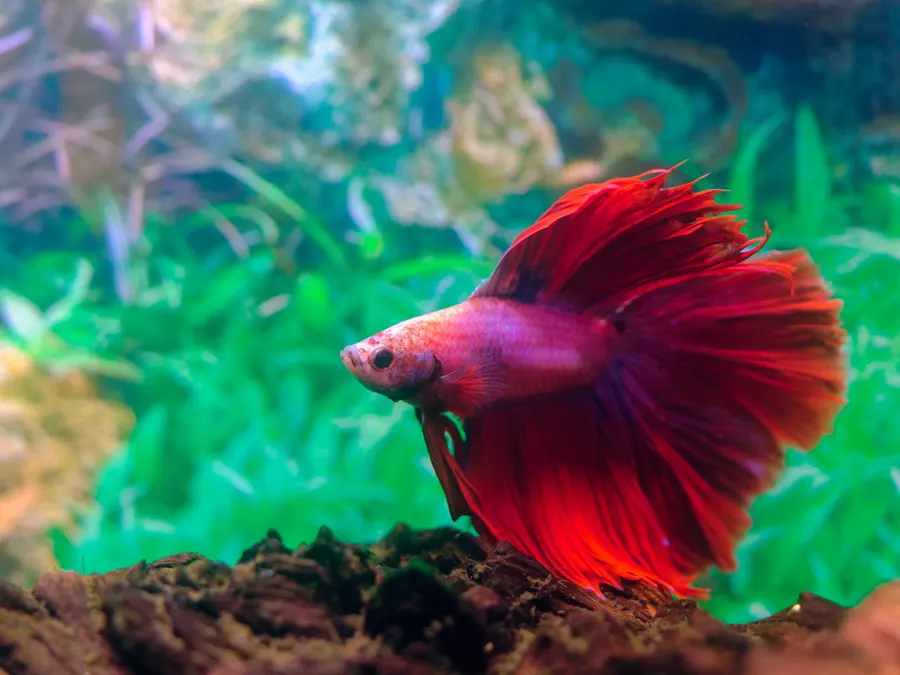
Bettas need a proper aquarium, not a bowl. The RSPCA recommends tanks larger than 45 × 30 × 30 cm (about 40 litres) and says bigger is better. As tropical fish, bettas need a thermostat-controlled heater, and every tank needs a filter. Treat tap water with a dechlorinator, cycle the tank for at least two weeks before adding your fish, and test until ammonia and nitrite read zero. Feed what your betta eats in 2–5 minutes, two or three times a day, and never keep two male bettas together: they fight.
| Tank size | Larger than 45 × 30 × 30 cm (about 40 L); bigger is better |
|---|---|
| Equipment | Thermostat-controlled heater, filter, thermometer, lid, test kits |
| Before fish | Dechlorinate water and cycle the tank for at least 2 weeks |
| Water quality | Ammonia and nitrite at 0 mg/L; test every fortnight |
| Tank mates | Never two males: male bettas fight |
Choose the right tank (not a bowl)
The RSPCA says fish bowls, jars and novelty tanks aren't designed with fish welfare in mind and are too small. Its minimum for an aquarium is 45 × 30 × 30 cm (about 40 litres), and it advises going bigger. To work out volume: width × depth × height in cm ÷ 1000 = litres. Keep the tank away from windows, where sunlight can overheat the water.
Heater, filter and light
- Heater: bettas are tropical fish, so use a heater controlled by a thermostat, set to the right temperature for the species, and check a digital thermometer every day
- Filter: the RSPCA says no fish should be kept without a well set-up, maintained filter. Rinse filter media in old tank water, never under the tap, so you don't kill the beneficial bacteria
- Light: about 8–10 hours a day, off at night
- Lid: helps keep pollutants out; avoid aerosol sprays and smoke near the tank
Cycle the tank before adding your betta
New tanks need time to grow the bacteria that break down fish waste. The RSPCA strongly advises fishless cycling: add fish only after ammonia and nitrite rise and then fall back to zero, which takes at least two weeks.
- Treat all tap water with a dechlorinator (or let it stand 24 hours)
- Test with ammonia and nitrite kits, which are essential
- Safe levels: 0 mg/L ammonia and 0 mg/L nitrite
- Test every fortnight once your fish is in
Water changes
Regular partial water changes keep waste levels down. Use a siphon, replace with dechlorinated water at the same temperature, and test your water to judge how much to change; the RSPCA mentions weekly changes in the region of 10–30%, and much bigger daily changes if ammonia or nitrite are high.
Feeding your betta
Feed a food made for your type of fish, as much as your betta eats in two to five minutes, two or three times a day. Underfeeding is safer than overfeeding, because leftover food pollutes the water. Daphnia or brine shrimp make good occasional extras.
Tank mates
The RSPCA notes some tropical fish fight with their own kind, such as male betta fish. Never keep two males together, and research any other species carefully for compatibility before adding them.
Frequently asked questions
Can a betta live in a bowl?
No. The RSPCA says bowls and novelty tanks are too small and not designed with fish welfare in mind.
What size tank does a betta need?
The RSPCA's minimum for an aquarium is 45 × 30 × 30 cm (about 40 litres), and bigger is better.
Do bettas need a heater?
Yes. Bettas are tropical fish and need a thermostat-controlled heater.
How long should I cycle a tank before adding a betta?
At least two weeks, until ammonia and nitrite have spiked and returned to zero.
Can two bettas live together?
Not two males: male bettas fight with each other.
Sources
This guide is general information, not veterinary advice. Every pet is different; ask your vet before changing your pet's diet or care, especially if they have a health condition, are overweight, or have a sensitive stomach.