
Hamsters · Small pets
Hamster Care: Cage, Bedding, Food and Daily Routine
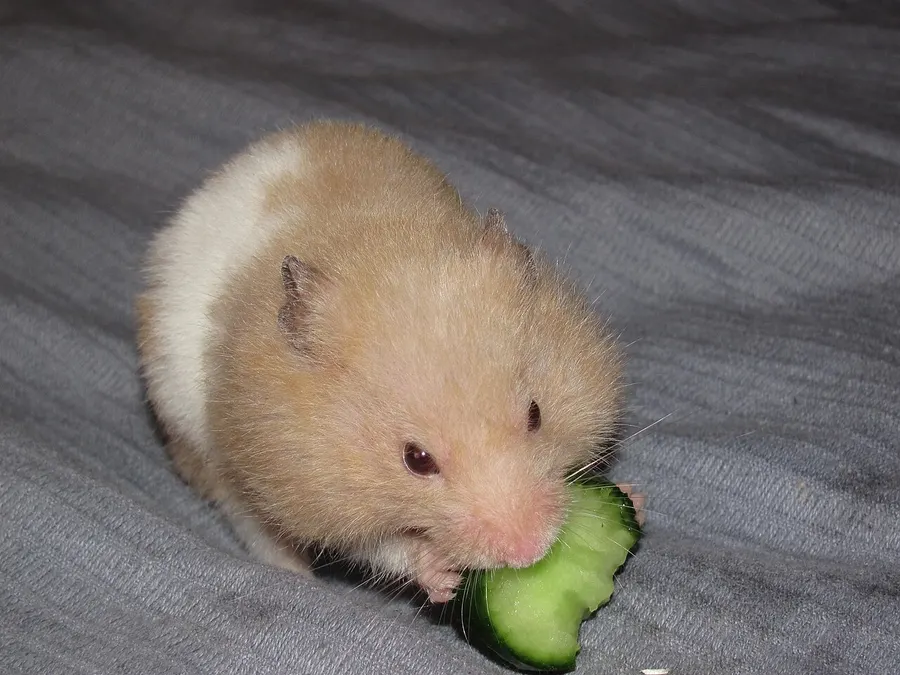
Hamsters are nocturnal burrowers that need a roomy, indoor cage with deep bedding to dig in. Syrian and Chinese hamsters must live alone; some dwarf species can live together. Use dust-free wood shavings or corn-cob bedding with hay or shredded paper for nesting (never fluffy cotton-wool bedding), a dark nest box, and a solid floor rather than wire mesh. Feed a hamster pellet or seed mix, small amounts of greens and veg, and constant fresh water; avoid grapes and rhubarb. Hamsters usually live about two years.
| Living alone? | Syrian and Chinese: yes, always. Some dwarf species can share |
|---|---|
| Bedding | Deep enough to dig: dust-free wood shavings or corn-cob, plus hay or shredded paper |
| Avoid | Wire mesh floors, wooden cages, cotton-wool bedding, grapes, rhubarb |
| Food | Hamster pellets or seed mix, small amounts of greens and veg, fresh water |
| Lifespan | Usually up to about 2 years |
One hamster or two?
The RSPCA says Syrian and Chinese hamsters shouldn't live together: they aren't naturally sociable and do better alone. Dwarf species such as Roborovski, Campbell's Russian and winter white hamsters can live together, but hamsters can be aggressive to each other, so watch closely.
Setting up the cage
- Indoors only: it's too cold outside for hamsters
- Cage: plastic is better than metal; avoid wooden cages and wire mesh floors, which cause foot problems
- Bedding: deep enough to dig and burrow, using dust-free wood shavings or granulated corn-cob free of chemicals
- Nesting: good-quality hay, wood wool, shredded paper or cardboard; never cotton wool or fluffy bedding, which is dangerous
- Nest box: dark inside, large enough for sleeping and a food store, ideally without a floor
- Location: no draughts or damp, predictable light, and away from TVs, computers, vacuum cleaners and running water, which make ultrasound
What to feed a hamster
Feed a compound hamster pellet or a seed mix made for hamsters, with small amounts of greens, root vegetables and pieces of fruit such as apple. Don't give grapes or rhubarb, which can be poisonous to rodents. Provide constant fresh water, ideally from a bottle with a valveless sipper tube, and check it daily for leaks or blockages.
Handling
Hamsters are naturally timid and dislike loud noises. Handle them gently but confidently, and remember they're nocturnal, so they're most active in the evening and at night.
Cleaning and grooming
Spot clean every few days and deep clean once or twice a month. Give occasional access to a sand bath, and brush long-haired hamsters weekly.
Health checks
Check their front teeth regularly, as dental problems are common, and look out for lumps, especially on the belly. Hamsters hide pain, so changes in behaviour matter.
Frequently asked questions
Can two hamsters live together?
Syrian and Chinese hamsters must live alone. Some dwarf species can live together, but watch for fighting.
What bedding is best for hamsters?
Deep, dust-free wood shavings or granulated corn-cob, with hay, wood wool or shredded paper for nesting. Avoid cotton-wool bedding.
What can hamsters not eat?
The RSPCA warns against grapes and rhubarb, which can be poisonous to rodents.
Are hamsters nocturnal?
Yes. They're most active in the evening and at night.
How long do hamsters live?
Usually up to about two years, though some live longer.
Sources
This guide is general information, not veterinary advice. Every pet is different; ask your vet before changing your pet's diet or care, especially if they have a health condition, are overweight, or have a sensitive stomach.