
Reptiles · Gecko
Leopard Gecko Habitat Setup: Tank, Heat, UVB and Hides
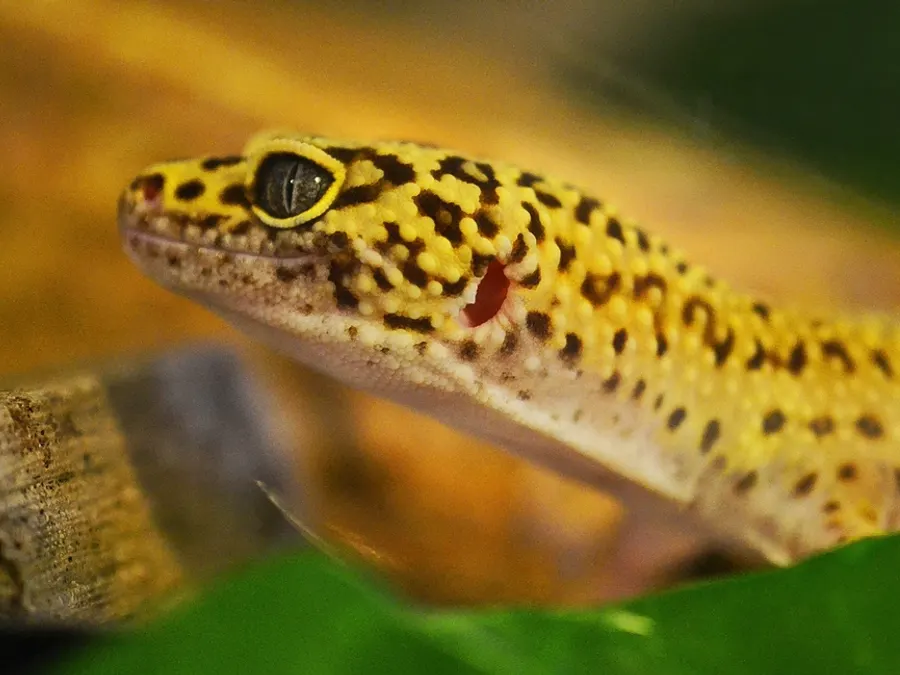
A single adult leopard gecko needs a vivarium of at least 60 × 40 × 30 cm, with a warm end at 28–30°C and a cool end at 24–26°C. Every heat source must be on a thermostat. The RSPCA recommends a 2–5% UVB tube at the warm end on a 12-hour day, several hides including a humid hide with damp moss, and solid (non-loose) substrate for young geckos. Feed gut-loaded live insects dusted with calcium and vitamins, keep fresh water available, and house leopard geckos alone. They can live up to 20 years.
| Vivarium | At least 60 × 40 × 30 cm for one adult; bigger is better |
|---|---|
| Temperatures | Basking 28–30°C, cool end 24–26°C; thermostat on every heat source |
| Lighting | 2–5% UVB tube at the warm end; 12 hours on, 12 off |
| Hides | Several hides at both ends, including a humid hide |
| Lifespan | Up to 20 years |
The vivarium
The RSPCA's minimum for one adult leopard gecko is 60 cm long, 40 cm high and 30 cm deep, and it should be as large as possible. Leopard geckos are best kept on their own.
Heat and temperature
- Basking spot: 28–30°C, from a 60–100 W ceramic or basking lamp
- Cool end: 24–26°C
- Thermostat: must be used with every heat source; a heat mat should be set at 30°C on a thermostat
- Night: add supplementary heat if the room drops below 18°C
- Humidity: around 30–40% at the cool end
UVB lighting
The RSPCA recommends a 2–5% UVB tube, half to a third of the vivarium's length, in the roof at the warm end, giving about UVI 0.7 in the basking zone down to zero in the shade. Run lights for 12 hours on and 12 hours off. Lack of UVB is the most common cause of metabolic bone disease.
Hides and substrate
Provide several hides at both ends, including a humid hide filled with damp moss that you mist every few days to help shedding. Keep young geckos on non-loose substrate. For adults, the RSPCA suggests options such as a roughly 50/50 organic soil and clean play sand mix, clay substrate, slate or reptile carpet. Avoid calcisand and beech chips.
Feeding
- Juveniles: feed daily; adults: every other day
- Live insects no bigger than the gecko's head; waxworms only sparingly (high in fat)
- Gut-load insects for 24–48 hours before feeding
- Dust insects lightly with a calcium and vitamin supplement just before feeding, and keep a small dish of plain calcium powder in the vivarium
- Water: a shallow dish of fresh water at the cool end, changed at least daily
Shedding
Leopard geckos shed their skin in large pieces. Never pull off stuck skin; a well-misted humid hide helps.
Frequently asked questions
What size tank does a leopard gecko need?
At least 60 × 40 × 30 cm for one adult, and as large as possible.
What temperature should a leopard gecko tank be?
A basking spot of 28–30°C and a cool end of 24–26°C, with a thermostat on every heat source.
Do leopard geckos need UVB?
The RSPCA recommends a 2–5% UVB tube at the warm end; lack of UVB can cause metabolic bone disease.
Can leopard geckos live together?
The RSPCA recommends keeping leopard geckos on their own.
How long do leopard geckos live?
Up to 20 years, so they're a long commitment.
Sources
This guide is general information, not veterinary advice. Every pet is different; ask your vet before changing your pet's diet or care, especially if they have a health condition, are overweight, or have a sensitive stomach.