
Guinea pigs · Small pets
Guinea Pig Care Basics: Company, Vitamin C and Housing
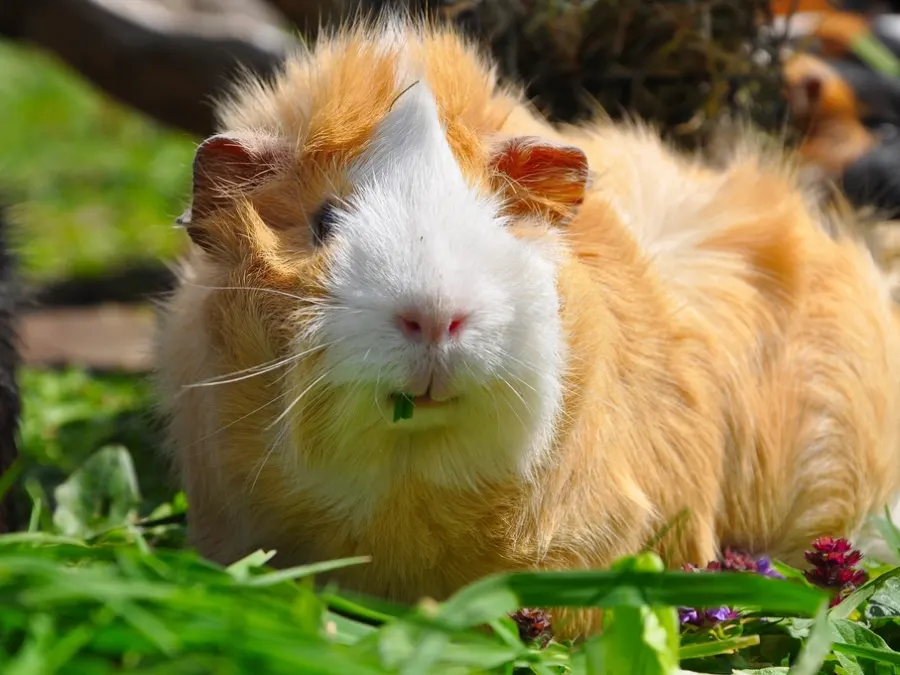
Guinea pigs should never live alone: keep them in pairs or small groups. They can't make their own vitamin C, so they need guinea-pig pellets plus fresh vegetables and herbs every day, and unlimited good-quality hay as most of their diet. Keep them at 17–20°C: below 15°C they get chilled and above 26°C they risk heatstroke. Check teeth and nails weekly, and see a vet at least once a year. Guinea pigs typically live 5–6 years.
| Company | Always at least two: they get lonely alone |
|---|---|
| Diet | Unlimited hay, daily guinea-pig pellets, fresh veg and herbs |
| Vitamin C | Essential: they can't make it. Pellets, peppers, parsley, kale, cabbage |
| Temperature | Ideal 17–20°C; move indoors below 15°C; heatstroke risk above 26°C |
| Lifespan | Typically 5–6 years |
Guinea pigs need a friend
The RSPCA says guinea pigs get lonely and shouldn't be kept alone; they're happiest in pairs. They're active up to 20 hours a day and sleep only in short bursts.
Vitamin C every day
Guinea pigs lack the enzyme to make vitamin C and can only store it for a short time, so it has to come from food every day. Good sources include guinea-pig pellets and fresh vegetables and herbs, such as bell peppers, parsley, cabbage and kale. Rotate the vegetables daily.
What to feed
- Hay: good-quality hay should be most of the diet and available at all times
- Pellets: a fresh portion of grass-based guinea-pig pellets daily, per the pack instructions (don't just top up the bowl)
- Vegetables often: parsley, celery, bell peppers, cucumber, gem or romaine lettuce
- Treats a few times a week: broccoli, spinach, kale, small pieces of carrot, a quarter of an apple
- Never: iceberg lettuce, potato, garlic, avocado, coconut, citrus fruits or lawnmower clippings
- Water: fresh and clean at all times, checked twice a day
Housing
- Room temperatures of 17–20°C are ideal; bring them indoors if it drops below 15°C, and protect them from heat above 26°C
- Enough space to exercise, and height to stand on their back legs
- More hiding places than guinea pigs
- Dust-free wood shavings with hay; avoid pine, straw and grid floors
- Untreated wooden toys or willow sticks to chew
- Spot clean daily and deep clean at least weekly
Health checks
Check teeth and nails every week (only vets should correct overgrown teeth), and in warm weather check around their rear end twice a day for flystrike. Take them for a vet check at least once a year.
Frequently asked questions
Can a guinea pig live alone?
No. Guinea pigs get lonely and should live with at least one other guinea pig.
Why do guinea pigs need vitamin C?
They can't make their own and can only store it briefly, so they need it from pellets and fresh vegetables every day.
What vegetables can guinea pigs eat?
Often: parsley, celery, bell peppers, cucumber, gem or romaine lettuce. As treats: broccoli, spinach, kale, carrot.
What temperature do guinea pigs need?
Ideally 17–20°C. Below 15°C they can get chilled; above 26°C they risk heatstroke.
How long do guinea pigs live?
Typically 5–6 years, and some live longer.
Sources
This guide is general information, not veterinary advice. Every pet is different; ask your vet before changing your pet's diet or care, especially if they have a health condition, are overweight, or have a sensitive stomach.